A small nursery can be beautifully functional without having every piece of furniture marketed to new parents. Begin with a floor plan that keeps essential activities accessible and leaves a safe walking path. The cleverest space-saving solution is often deciding what the room does not need.
Work from the largest piece first
Measure the cot or other suitable sleep product and position it in a safe part of the room. Check the manufacturer's guidance as well as the distance from cords, windows and heating sources. A beautiful alcove is not suitable if it introduces hazards or prevents access.
Sketch the remaining usable area and mark the door swing. This immediately reveals whether a large chair, extra dresser or freestanding changing table is realistic.
Use double-duty furniture thoughtfully
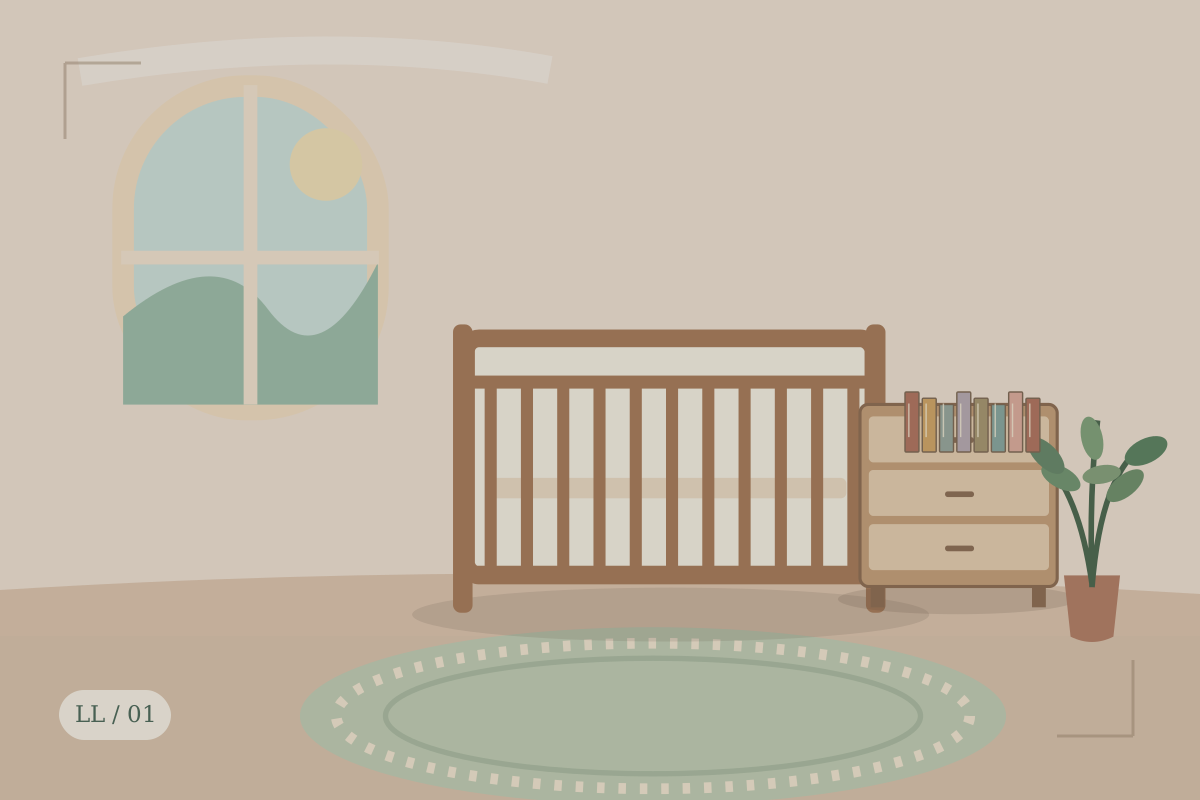
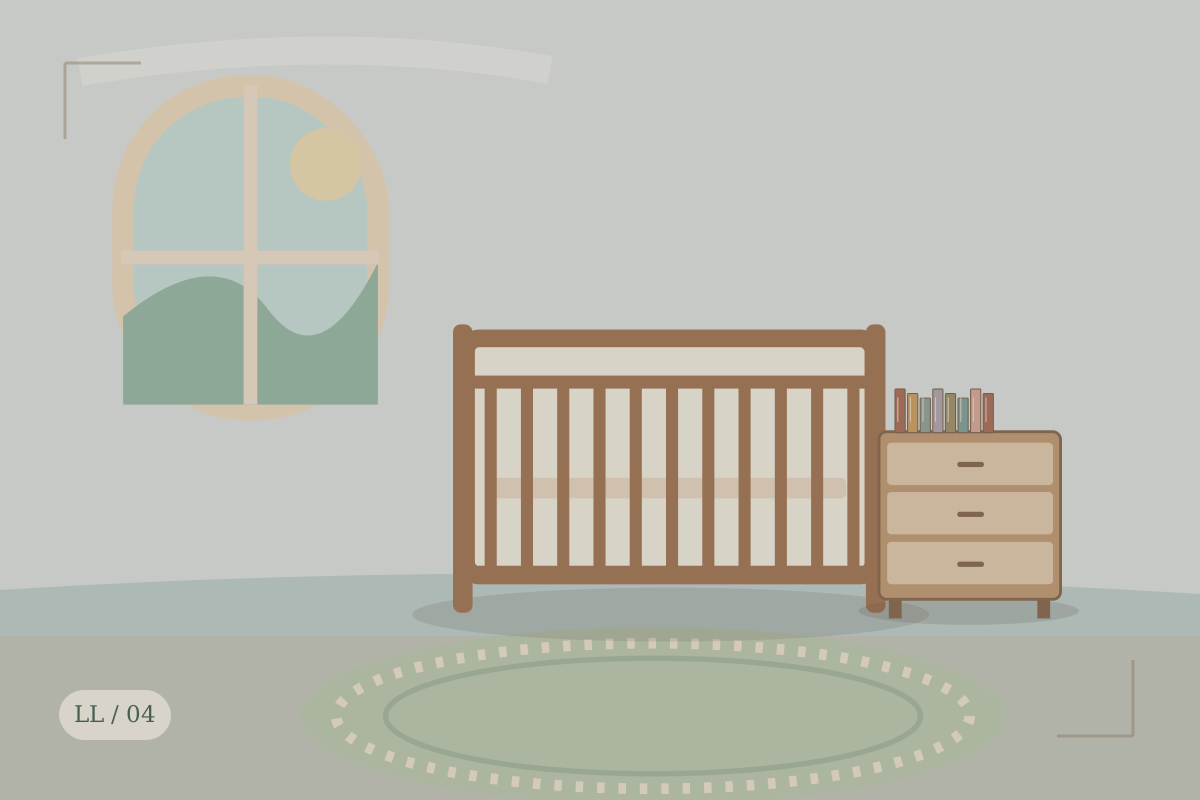
A dresser may be useful for clothes and changing supplies, but any changing surface must be appropriate, secure and used with continuous adult supervision. Never leave a baby unattended on an elevated surface. Avoid unstable add-ons or improvised platforms.
In small spaces, a labelled drawer for nappies and wipes may do more than a second cupboard. A hamper placed where laundry naturally collects can save repeat trips across the home.
Keep the vertical space safe
Wall shelves can hold books or decorative items out of reach, but must be installed correctly and should not hang over the cot. Freestanding dressers, cupboards and bookcases need appropriate anchoring to help prevent tip-overs.
Do not place attractive toys on top of furniture where a child might be encouraged to climb. As your baby becomes mobile, review every reachable surface and cord.
Choose a quieter colour strategy
A gentle wall colour, one textile accent and a few meaningful prints are plenty. In a small room, matching every object can make storage seem like a visual project instead of a practical system. Leave some clear surfaces so the room feels easier to use and maintain.
Use washable materials where possible and think about how you will clean behind furniture. An easy-care room gives time back to your household.
Store the next size elsewhere
Bulky purchases for later developmental stages can live outside the nursery if there is safe storage elsewhere. Keep current clothes and supplies accessible, and move outgrown items out promptly if you no longer need them.
A compact room will change quickly. Give yourself permission to edit it rather than trying to predict the whole next year.