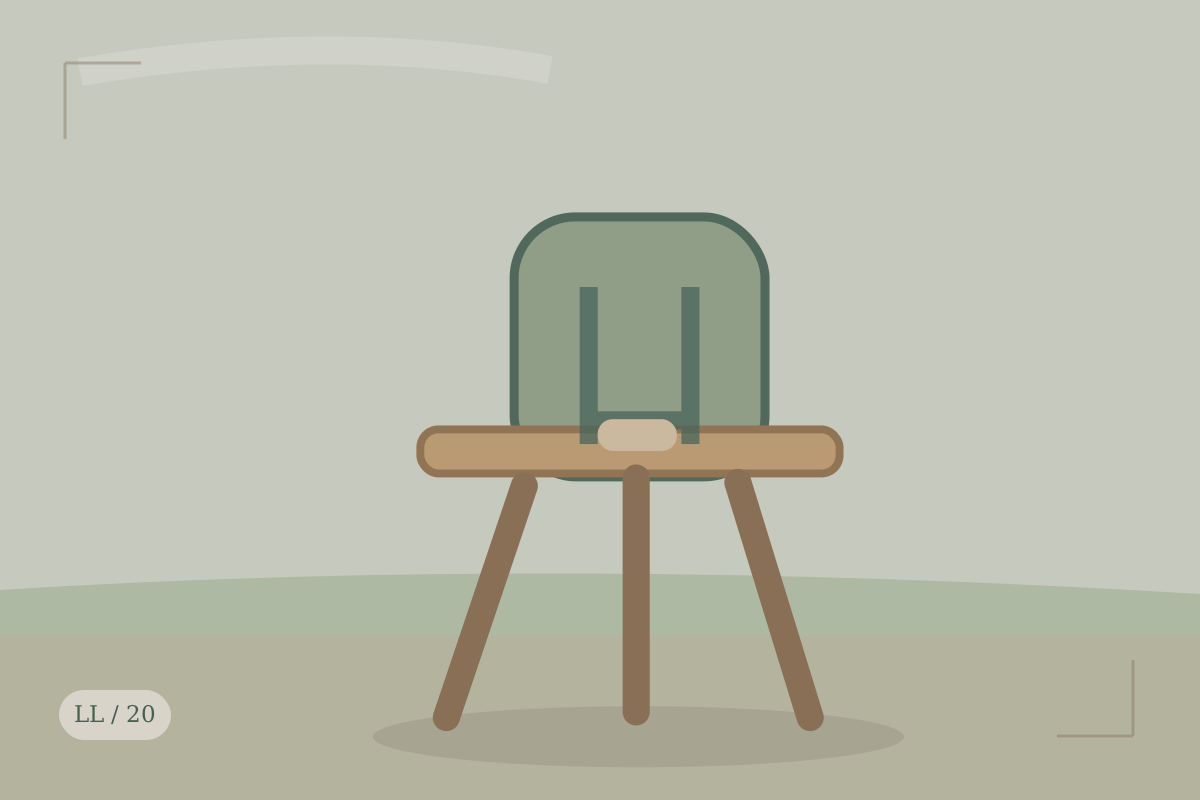
High chairs are used in a messy, busy part of the home. Features that matter most are stability, safe restraint, easy cleaning and a fit with the actual dining area. It is worth paying more attention to these than to how neatly a chair matches the table.
Review current product safety guidance
ACCC Product Safety recommends a sturdy, stable high chair with a five-point harness. It advises continuous supervision and correct use of the restraint. Unlike some other nursery categories, there is no mandatory Australian safety standard specifically for high chairs, so careful product assessment matters.
Follow the manufacturer's age, size and assembly instructions. A high chair is for appropriate seated feeding, not for sleeping or unattended play.
Check the base and locks
Try the chair on a level floor and look for a stable footprint, secure frame, reliable folding locks and an absence of sharp edges or easily detachable small pieces. If it has wheels, check that suitable locking mechanisms work.
A wide base may require more floor space than expected. Measure the area around the table to ensure adults can pass without tripping over the legs.
Inspect the harness and tray
Make sure the harness is appropriately fitted and straightforward for the adult to use. Children should not stand or climb in the chair. Review moving tray parts for pinch points, and always supervise children during use.
Some trays are easier to remove and wash than others. Test the process if you can rather than relying only on product claims.
Think about cleaning on a difficult day
Smooth surfaces, accessible seams and removable components can save considerable effort. Consider whether the seat has deep crevices, fabric that requires special laundering or trays that are difficult to carry to the sink.
Choose materials you can maintain according to the product instructions. An easy-to-clean chair may be more useful than a long feature list.
Account for the rest of the room
Keep the high chair away from windows, curtain cords, heating sources and surfaces a child could push against. Store it safely when not in use so it does not create a trip hazard.
If buying used, check its condition, instructions, harness and recall status. Stop using a chair with structural damage or faulty locks.