Preparing for a new baby can feel like an invitation to buy everything at once. A more manageable approach is to separate what you need soon from what you can choose later. Safety, fit and everyday usefulness should come before beautiful packaging or lists that seem to grow without end.
Start with sleep safety
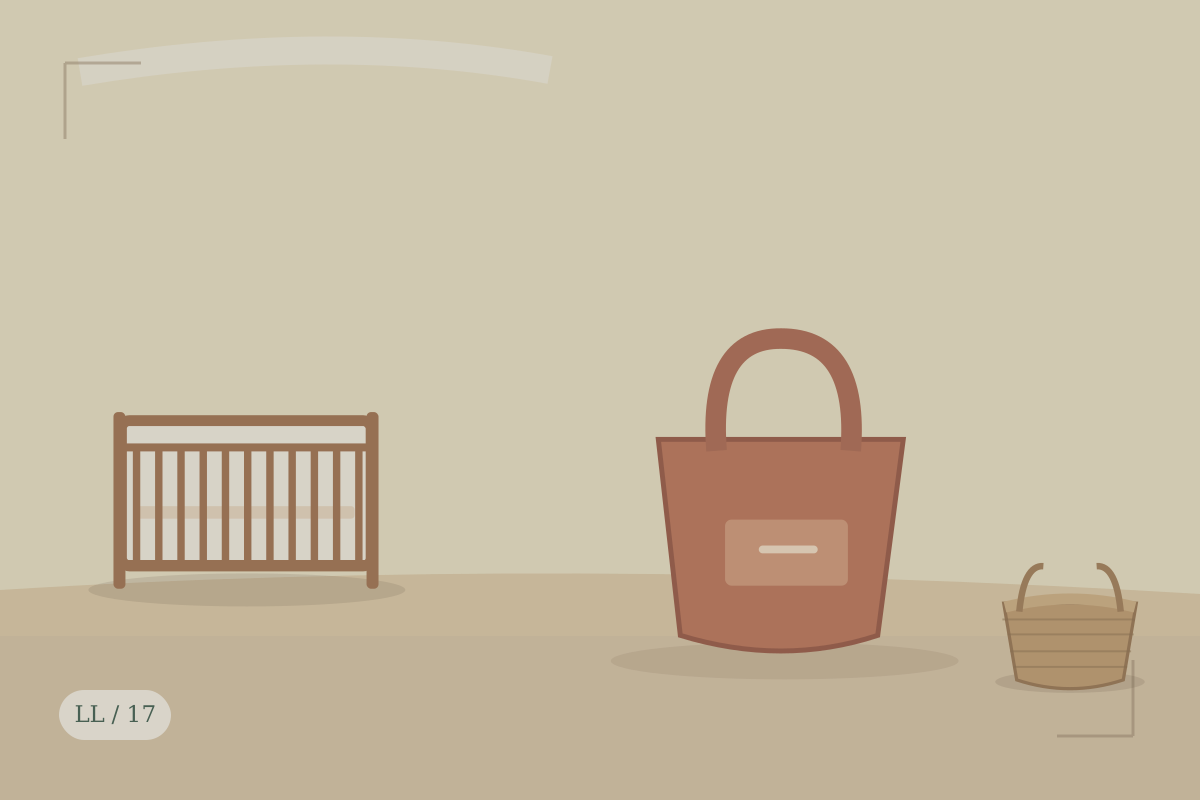
Prioritise an appropriate infant sleep product and a compatible firm, flat mattress that meet applicable Australian requirements. Follow current Red Nose safe-sleep guidance, including placing the baby on their back and keeping soft toys, pillows and bulky items out of the sleep environment.
Don't treat decorative sleep accessories as essential. The simplest sleep setup is often the most appropriate one.
Keep changing supplies straightforward
Choose a supply of nappies in an appropriate size, wipes or other suitable cleaning items, a practical changing arrangement and some spare clothes. You can start with modest quantities because babies grow and preferences differ.
Keep all care products, creams and medicines stored safely away from children's reach. Choose easy-to-clean surfaces and never leave a baby unattended on a raised change area.
Think through feeding and clothing needs
The feeding supplies that make sense depend on how your baby will be fed and advice from your health team. Rather than buying every possible gadget, ask which items are actually required for your circumstances.
For clothing, think about the local season, access to washing and easy changes. A smaller selection of comfortable, practical outfits can be more useful than a wardrobe full of one size.
Consider outings realistically
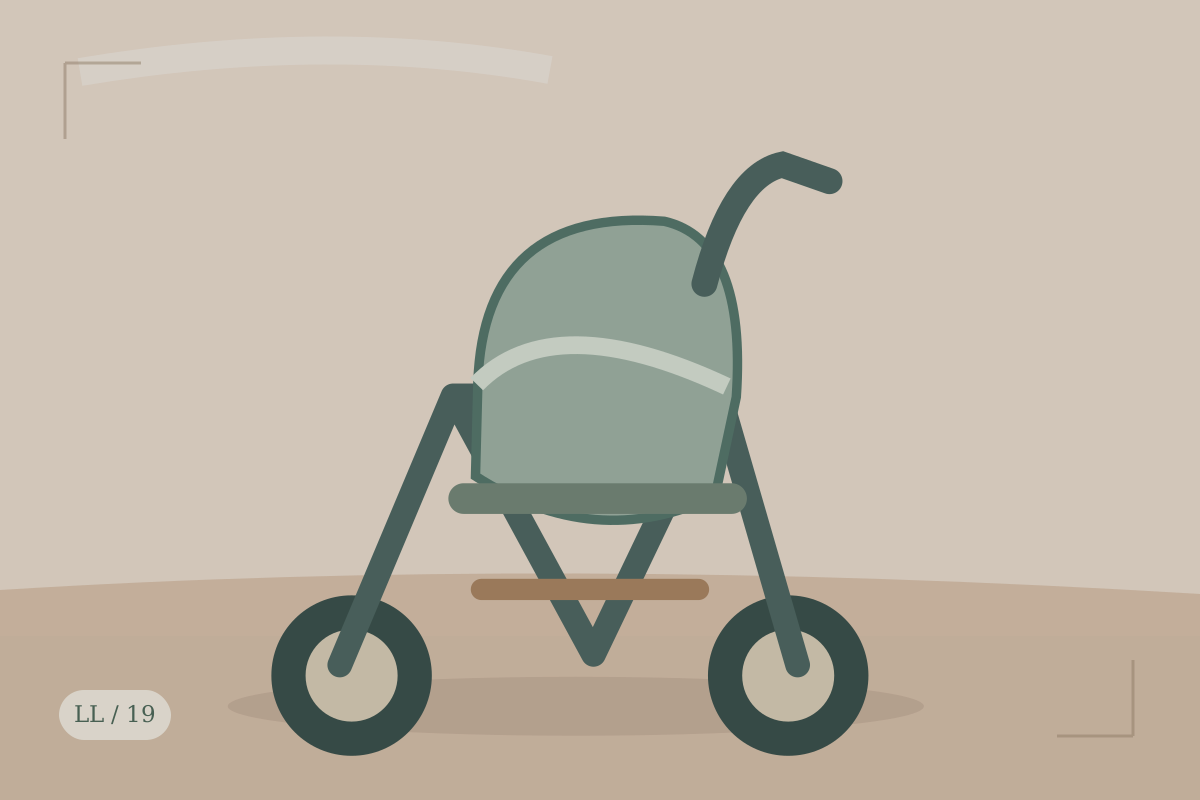
A pram, carrier or car restraint may be relevant, depending on your transport and individual needs. Each category has specific instructions and safety considerations. Check mandatory standards where applicable, product fit and proper use before buying.
For many households, a bag for essentials and a few spare items will be enough for local outings. There is no need to own multiple versions of every accessory.
Make a 'later' list
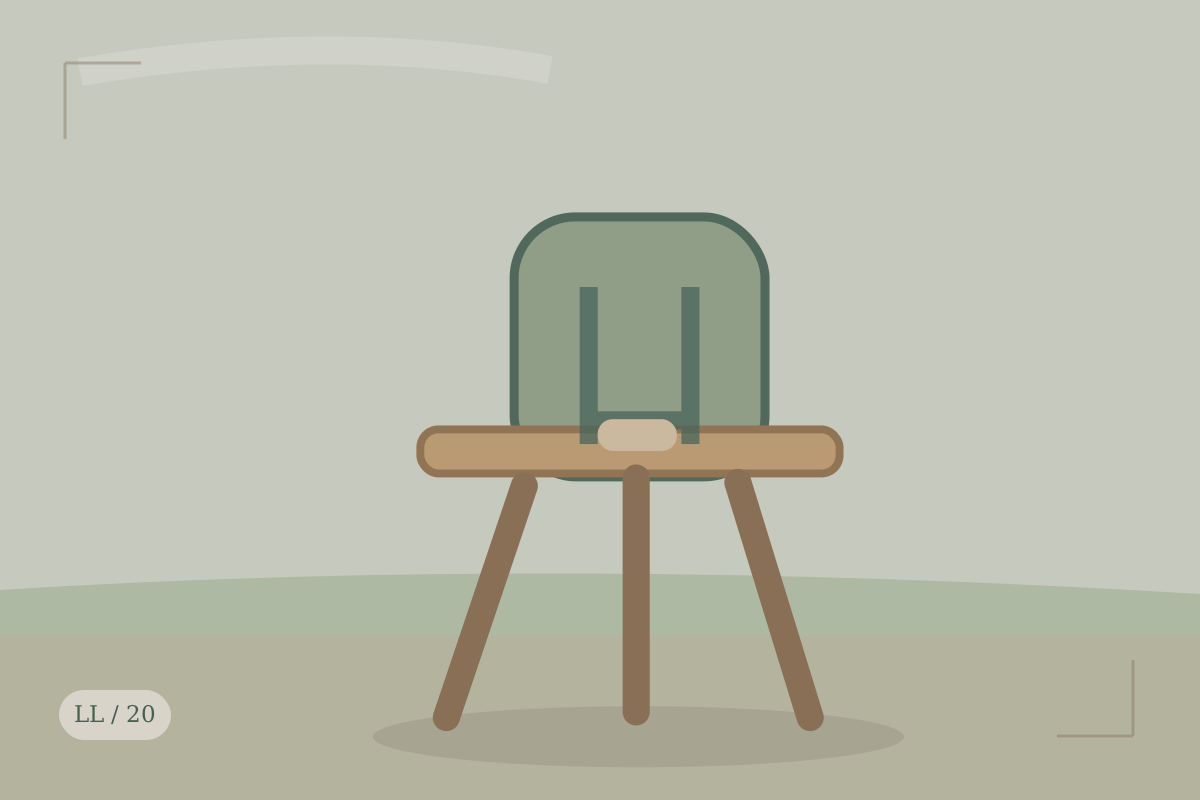
High chairs, larger toys, extra furniture and later-stage products can often wait until you know how you will use them. Keep a separate note for ideas rather than treating each suggestion as an urgent purchase.
A modest starting setup makes it easier to make thoughtful decisions later. You can always add an item when it fills a real need.